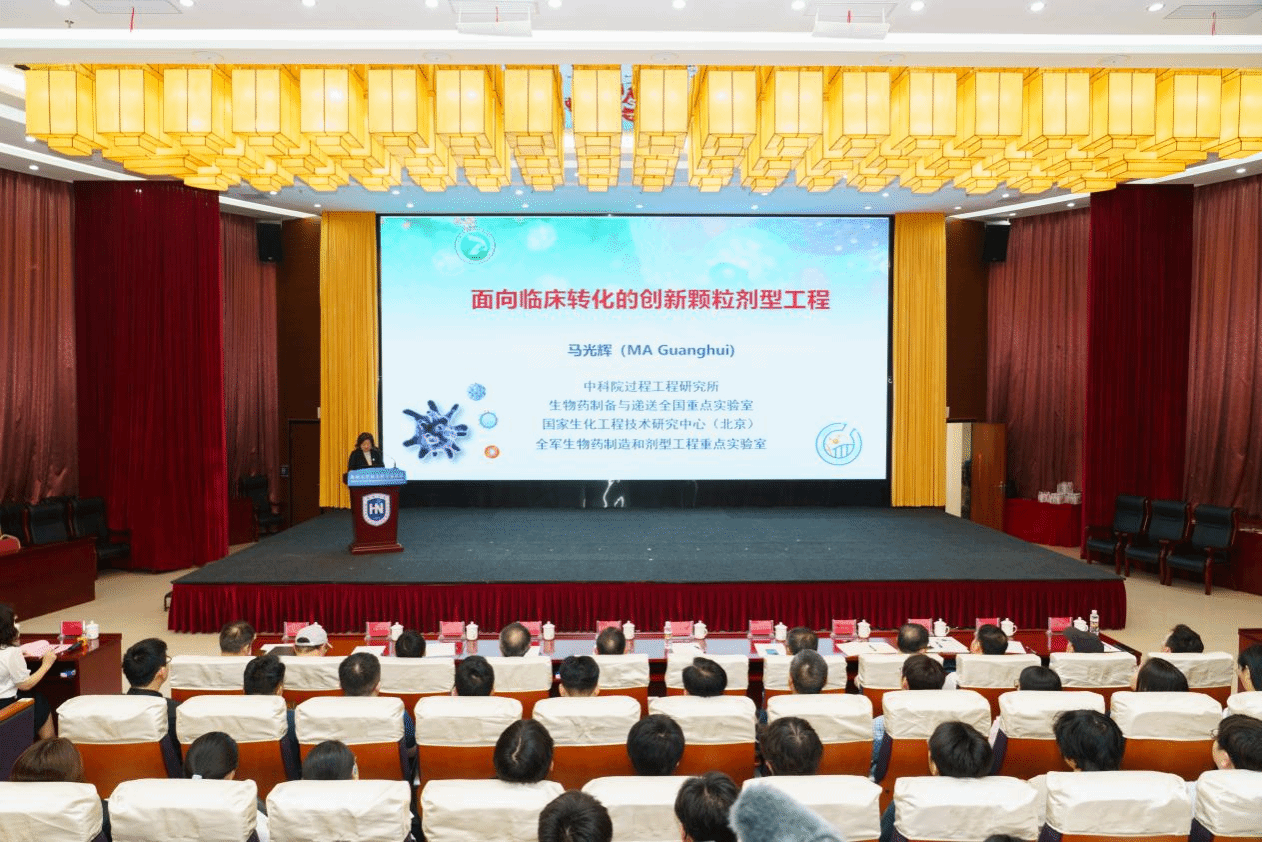
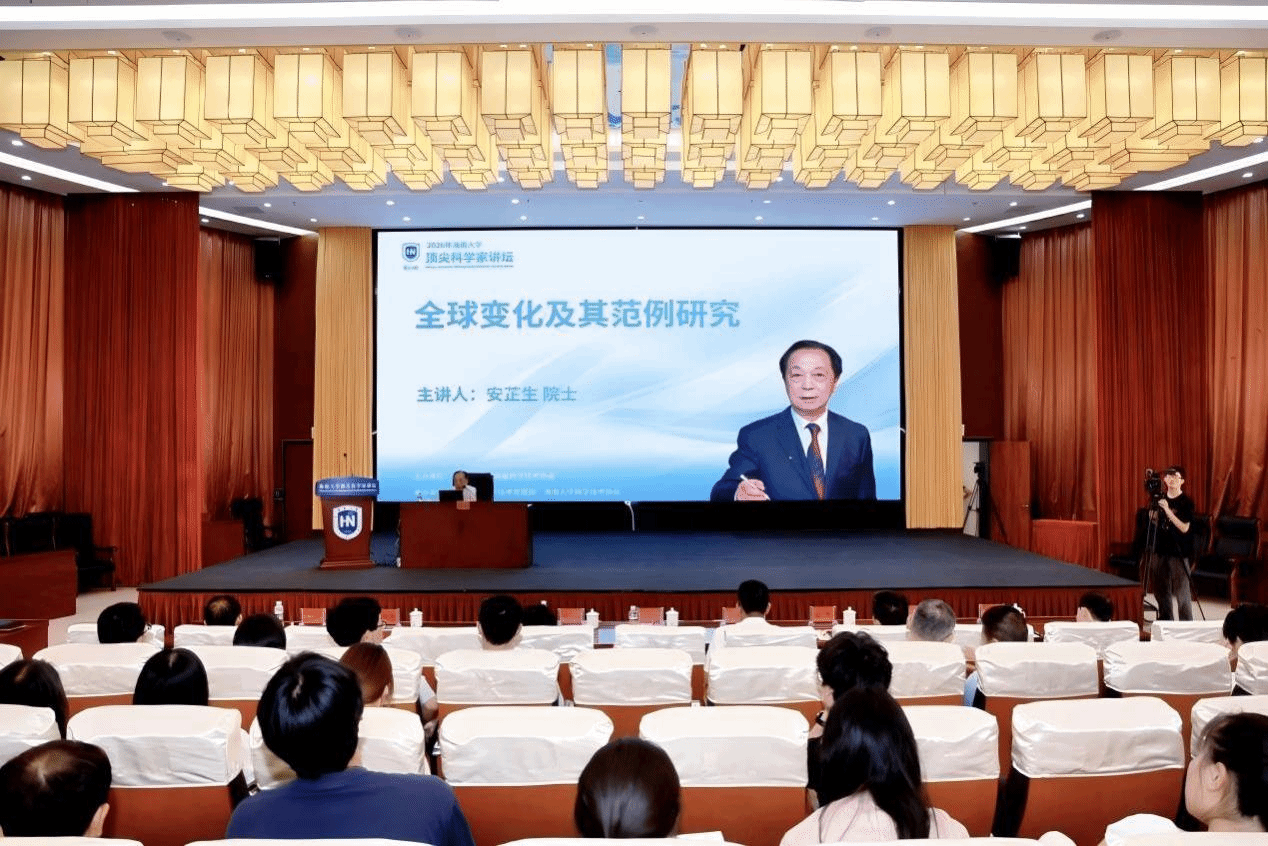
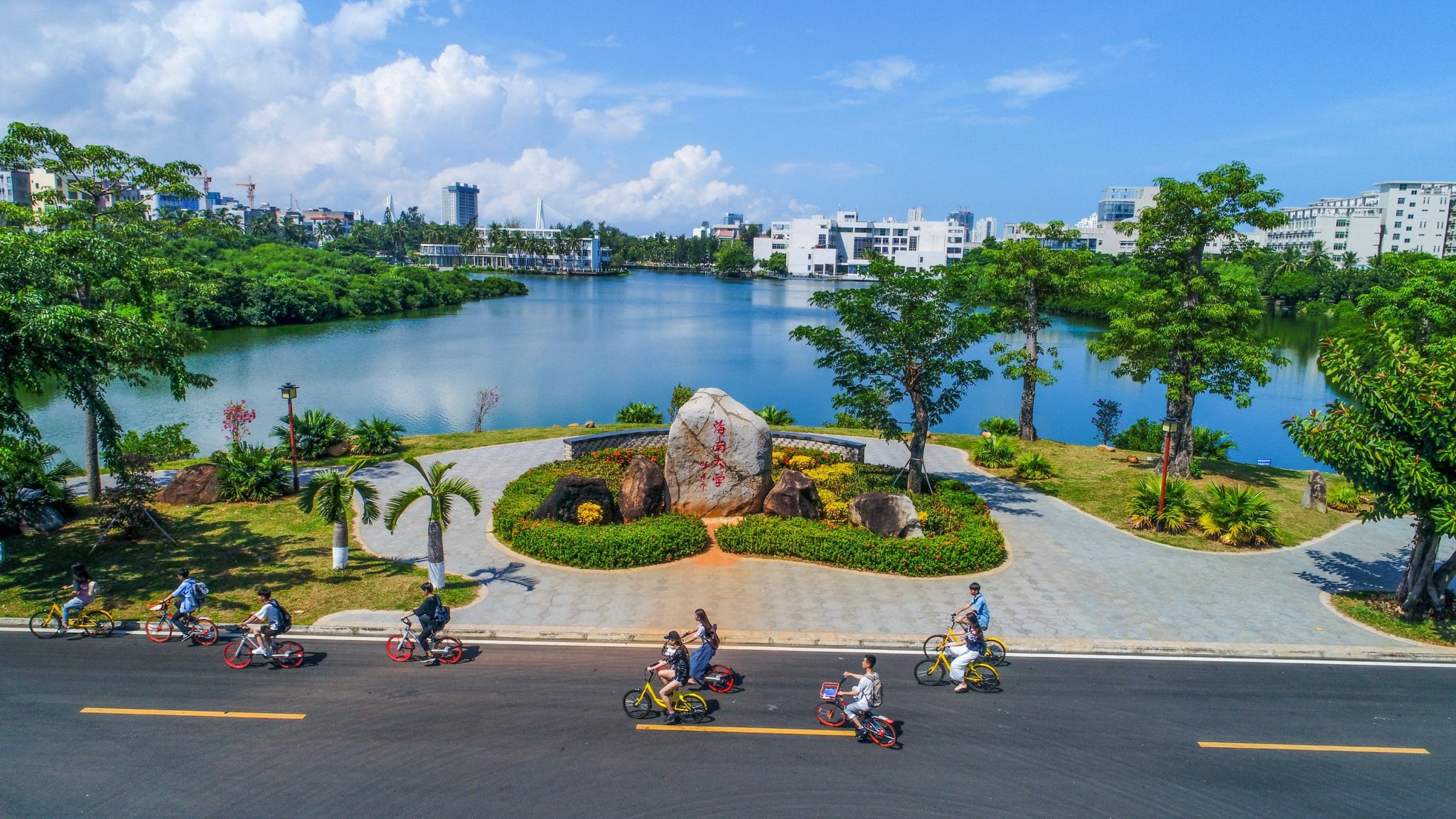
On the afternoon of May 20, the League of Tropical Universities (LTU) 2026 Summit Parallel Sessions were held at the HNU International Exchange Center.
More than 200 representatives from government agencies, international organizations, universities and research institutions across 30 countries and regions, including the Republic of the Congo, Indonesia and Malaysia, engaged in in-depth discussions under five themes: “Science and Technology for Sustainable Tropical Palm Industry”, “AI for One Health”, “Tropical Marine Ecology and Sustainability”, “Tropical Marine Engineering Materials and Energy Materials”, and “Civilizational Dialogue and Tropical Collaboration: New Practices in International Communication and Research Translation.”
Distinguished guests included Ahmad Parveez Bin Ghulam Kadir, director-general of the Malaysian Palm Oil Board (MPOB); Guo Yuming, professor of Monash University, Australia and fellow of the Australian Academy of Technological Sciences and Engineering (ATSE); Ocky Karna Radjasa, professor of the National Research and Innovation Agency of Indonesia; Holl Augustin, UNESCO consultant and honorary distinguished professor of Xiamen University.
In line with demands for high-quality development of tropical agriculture, the parallel session on “Science and Technology for Sustainable Tropical Palm Industry” brought together experts to exchange insights on breeding innovation, industrial transformation and sustainable utilization of tropical cash crops including oil palm and coconut.
Parveez shared Malaysia’s century-long development and sustainable transformation of the oil palm industry and advocated for high-quality development of relevant industries through technological innovation. Aiyen Tjoa, vice president of Tadulako University (in charge of Planning and International Cooperation), examined challenges confronting the sustainable development of the oil palm industry in Indonesia, calling for sustainable approaches including reduced chemical fertilizer application and agroforestry to balance economic benefits and ecological conservation. Jelfina Costansje Alouw, president of the International Coconut Alliance, stated that oil palm is essential to food production and economic development, and called on parties concerned to safeguard global food security.
Loh Teck Chwen, dean of the Faculty of Agriculture, Universiti Putra Malaysia, demonstrated the high-efficiency utilization potential of palm oil products in animal feeding. Felix Dapare Dakora, former president of the African Academy of Sciences and foreign member of the Chinese Academy of Engineering (CAE), put forward localized solutions based on edible legumes and cereals to address malnutrition in Africa. Siwaret Arikit, professor of Kasetsart University, illustrated the diversity of molecular breeding for tropical palm genomics and pointed out research frontiers for sustainable and high-value breeding and production. Uma Rani Sinniah, professor of Universiti Putra Malaysia, analyzed the current development status and technological breakthroughs of Malaysia’s coconut industry, and highlighted the importance of building a resilient coconut industry.
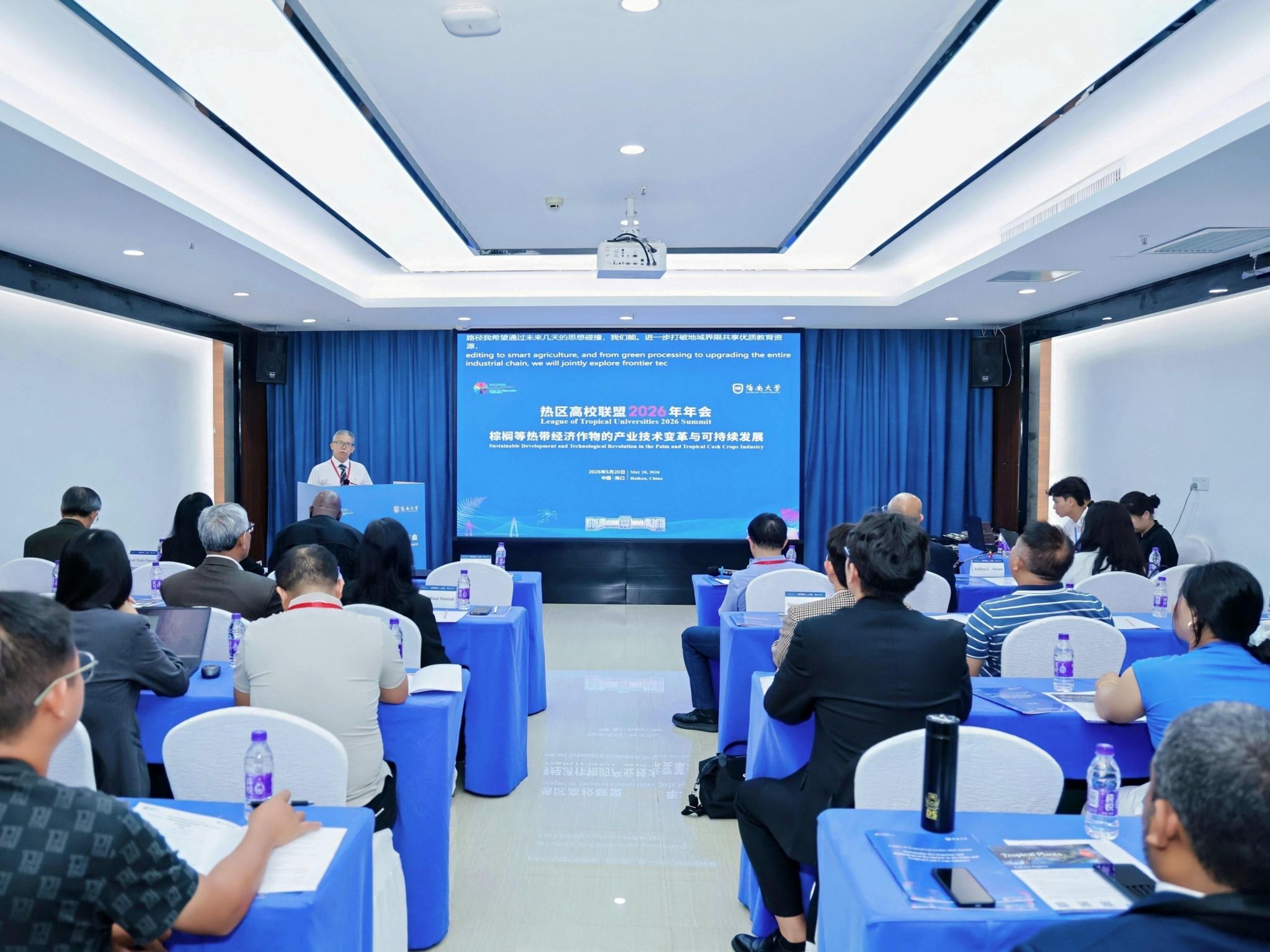
On the afternoon of May 20, the League of Tropical Universities (LTU) 2026 Summit Parallel Sessions convene at HNU International Exchange Center. This is parallel session on “Science and Technology for Sustainable Tropical Palm Industry”. (Photo courtesy of the Publicity Department)
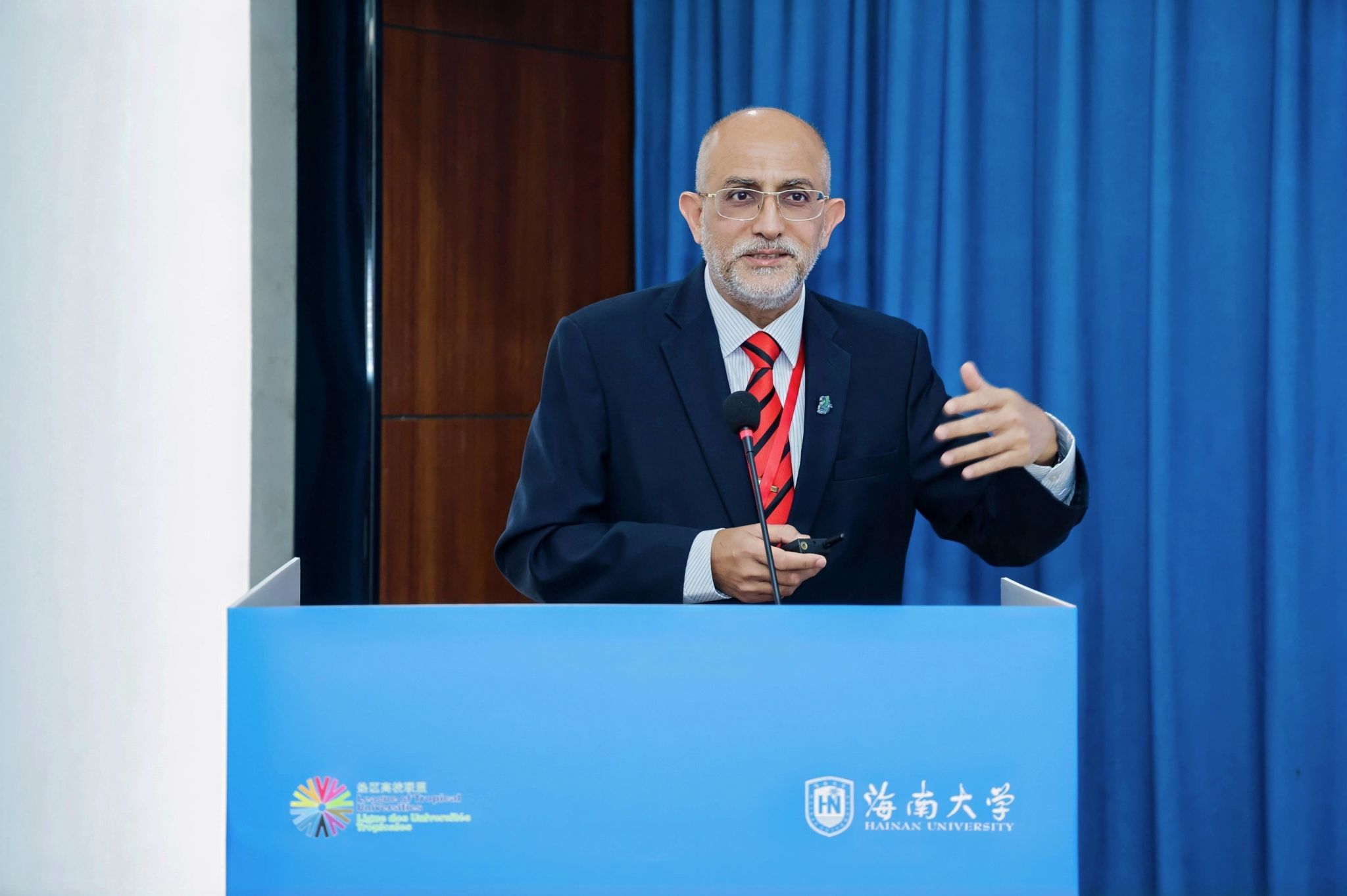
On the afternoon of May 20, the League of Tropical Universities (LTU) 2026 Summit Parallel Sessions convene at HNU International Exchange Center. Parveez delivers a presentation. (Photo courtesy of the Publicity Department)
The parallel session on “AI for One Health” focused on the AI-driven One Health system. It brought together participants to have an in-depth exchange of views on topics including the development of environmental health agents and the AI research paradigm for One Health. Guo Yuming held that climate health is essential for epidemic prevention and control, and explained how climate and environmental assessment functions in modern environmental epidemiology and disease prevention. Zhongying Zhao, professor of Hong Kong Baptist University, illustrated the regulatory role of pathogen defense in the genetic conflicts of nematode species in tropical and subtropical regions. Tang Tong Boon, professor of Universiti Teknologi petronsa, presented cutting-edge applications of AI-driven neurotechnology and elaborated on how big data analysis underpins mental health management.
Kamal Nain Dhuper, director and general manager of National Institute of Information Technology, India, stated that artificial intelligence is reshaping the global education ecosystem, and proposed setting up university centers of excellence covering AI, IT and smart mobility. Elvis Sebastian Bernard, associate research fellow of Hainan University, held that the application of AI helps further clarify the interaction mechanisms between bacteria and hosts and advance the development of environmental health systems. Wei Si, professor of Nanjing University, noted that the prevention and control of emerging pollutants is the key issue of chemical risk management, and demonstrated the application prospects of intelligent non-targeted screening technologies and source tracing for emerging pollutants.
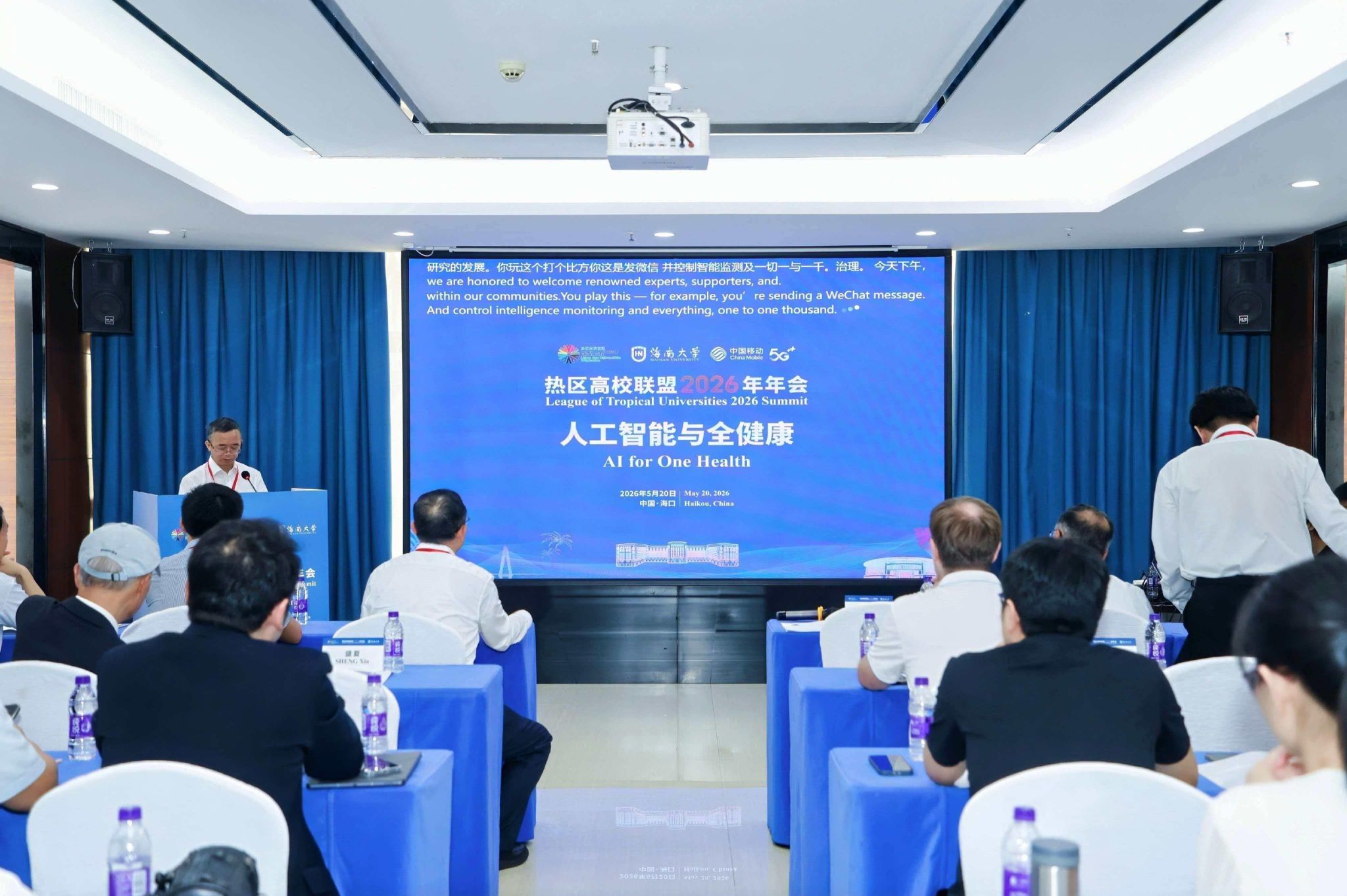
On the afternoon of May 20, the League of Tropical Universities (LTU) 2026 Summit Parallel Sessions convene at HNU International Exchange Center. This is parallel session on “AI for One Health”. (Photo courtesy of the Publicity Department)
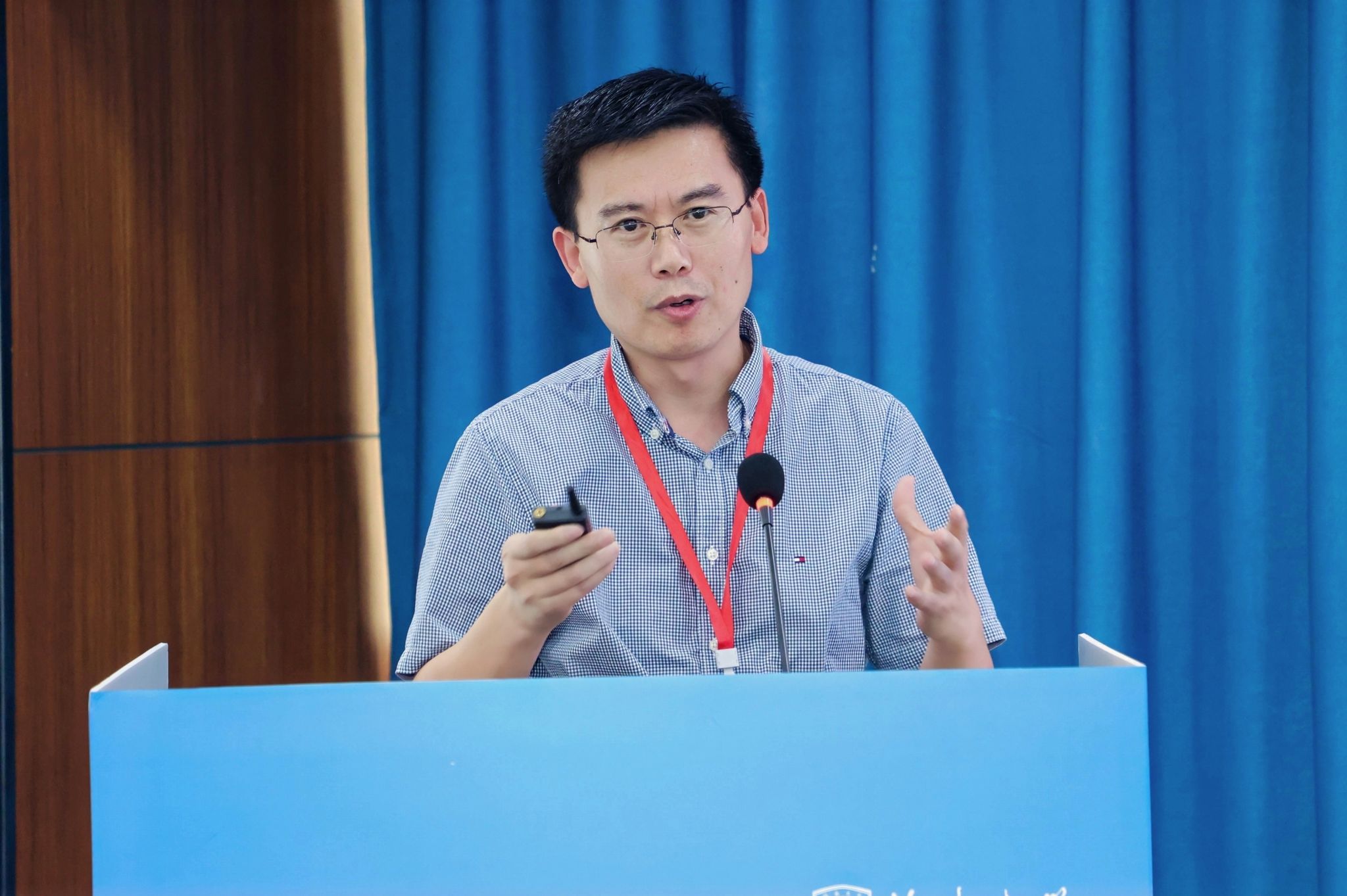
On the afternoon of May 20, the League of Tropical Universities (LTU) 2026 Summit Parallel Sessions convene at HNU International Exchange Center. Guo Yuming delivers a presentation. (Photo courtesy of the Publicity Department)
The parallel session on “Tropical Marine Ecology and Sustainability” focused on cutting-edge research in tropical marine ecology, with discussions covering tropical marine biodiversity, ecological health, climate responses and the sustainable management of marine ecosystems.
Ocky Karna Radjasa elaborated on the potential of advanced technologies in driving the research and development of marine natural products and sustainable pharmaceuticals. Zheng Xinqing, senior researcher at the Third Institute of Oceanography, Ministry of Natural Resources, reflected on his long-term studies in coral restoration ecology to explore the nutritional adaptation mechanisms of hermatypic corals and their implications for coral reef conservation and restoration. Chawalit Charoenpong, director of the Department of Marine Science, Chulalongkorn University, presented mercury trophic transfer and biomagnification in food webs within a tropical embayment as evidenced by nitrogen and carbon stable isotope analysis.
Gao Shuji, professor of Hainan University, analyzed the potential impacts of aquaculture on the biological carbon pump and marine carbon sinks from the perspective of carbon cycling. Cao Dinh Son, associate professor of Dong Do University, Vietnam, shared practices of blue carbon ecosystem restoration for addressing climate change and advancing sustainable coastal development. Cheah Wee, a senior lecturer at the Institute of Ocean and Earth Sciences (IOES), University of Malaya, analyzed how extreme tropical climate events affect marine primary productivity and carbon cycling processes. Liu Fengjie, associate professor of Sun Yat-sen University, introduced the bioavailability of marine trace elements and their eco-environmental effects.
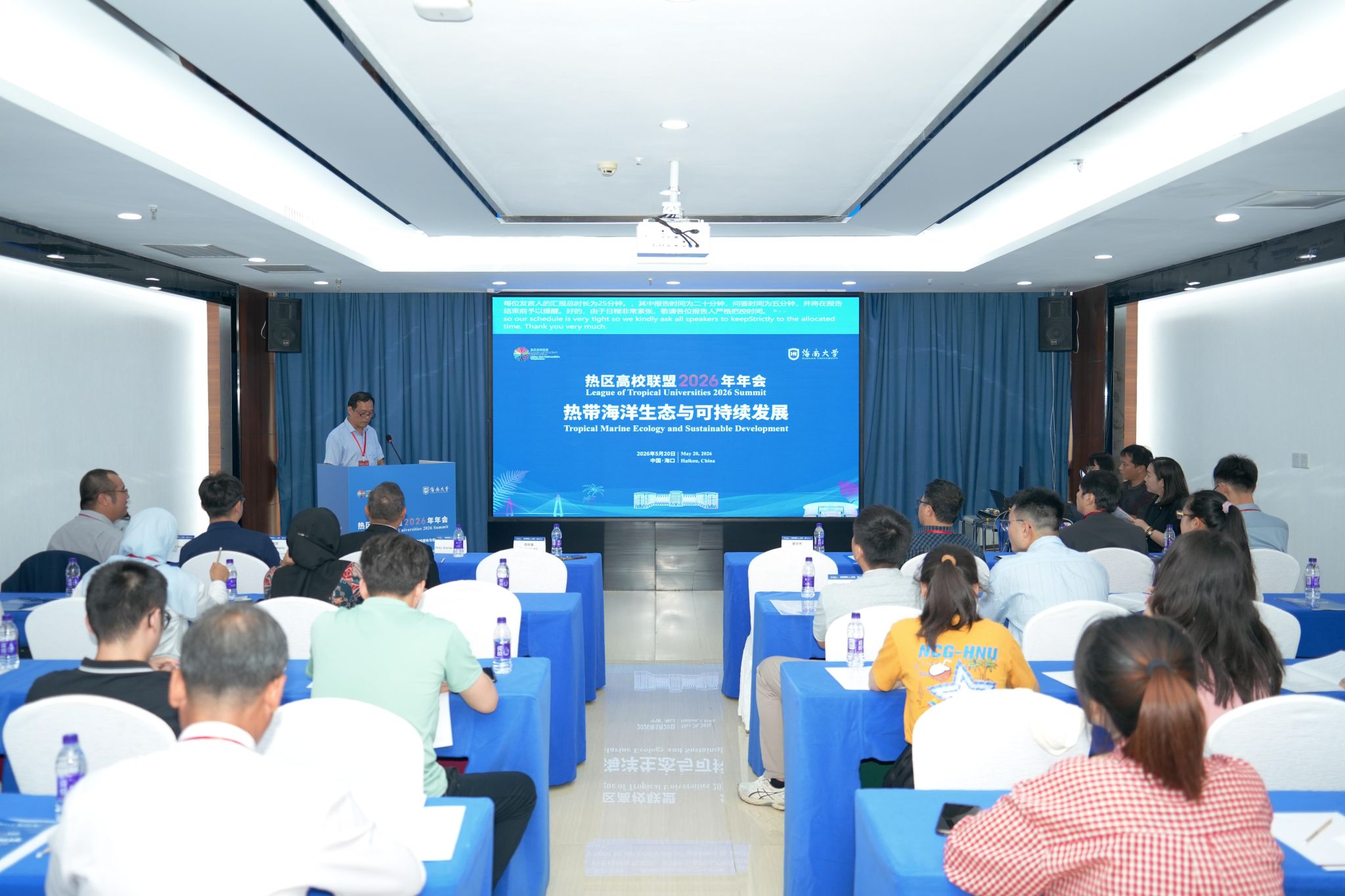
On the afternoon of May 20, the League of Tropical Universities (LTU) 2026 Summit Parallel Sessions convene at HNU International Exchange Center. This is parallel session on “Tropical Marine Ecology and Sustainability”. (Photo courtesy of the Publicity Department)
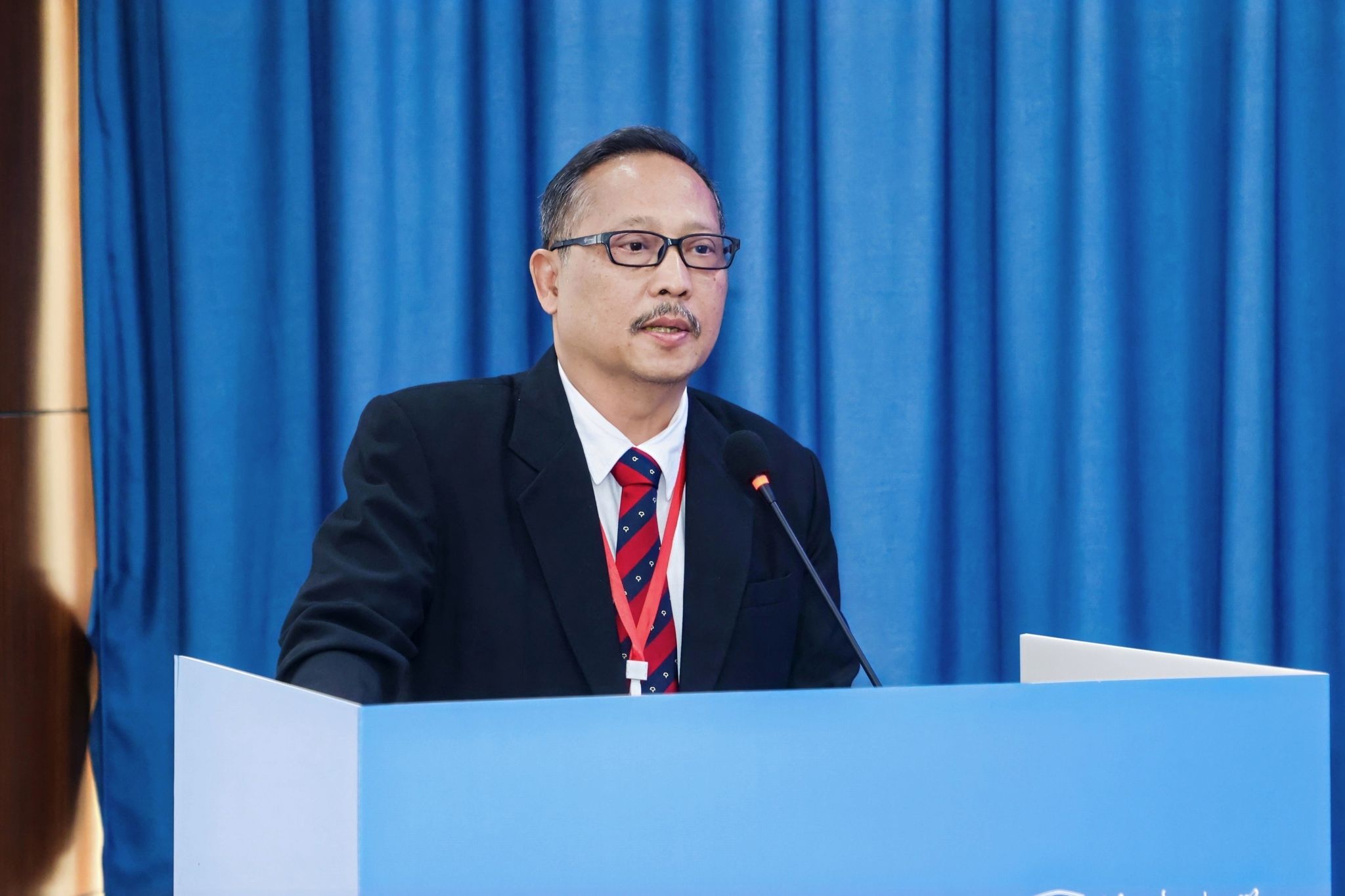
On the afternoon of May 20, the League of Tropical Universities (LTU) 2026 Summit Parallel Sessions convene at HNU International Exchange Center. Ocky Karna Radjasa delivers a presentation. (Photo courtesy of the Publicity Department)
The parallel session on “Tropical Marine Engineering Materials and Energy Materials” focused on the preparation and application of engineering and energy materials under the extreme conditions of tropical marine environments.
Baba Abdullahi, former dean of the Faculty of Physical Sciences from the University of Ilorin, Nigeria, shared his years of research in the sustainable utilization of mineral resources to illustrate the industrial application prospects of hydrometallurgical processing. Deju Zhu, director of the Building Materials Center, Hunan University, addressed the challenges of island and reef construction, analyzing the property design and durability of basalt fiber reinforced polymer (BFRP) and coral seawater sea sand concrete (CSSC).
Dai Jianguo, professor of City University of Hong Kong, elaborated on the innovative applications of high-performance green marine engineering materials in response to the urgent demand for greener marine engineering. Jiaqian Qin, professor of Chulalongkorn University, Thailand, argued that zinc-ion battery electroplating technology helps further enhance battery cycle life and safety.
Tang Jie, professor of Hunan University, presented design methods for high-areal-capacity secondary ion battery electrodes. Yuan Biao, professor of Hainan University, introduced four-dimensional scanning transmission electron microscopy (4D-STEM). Lin Ci, assistant research fellow of Hainan University, demonstrated the regulatory mechanism of oxygen evolution reaction. Chen Jianghua, professor of Hainan University and Director of the National Key Laboratory of Tropical Marine Engineering Materials and Evaluation, shared advances in quantitative atomic-resolution electron microscopy imaging.
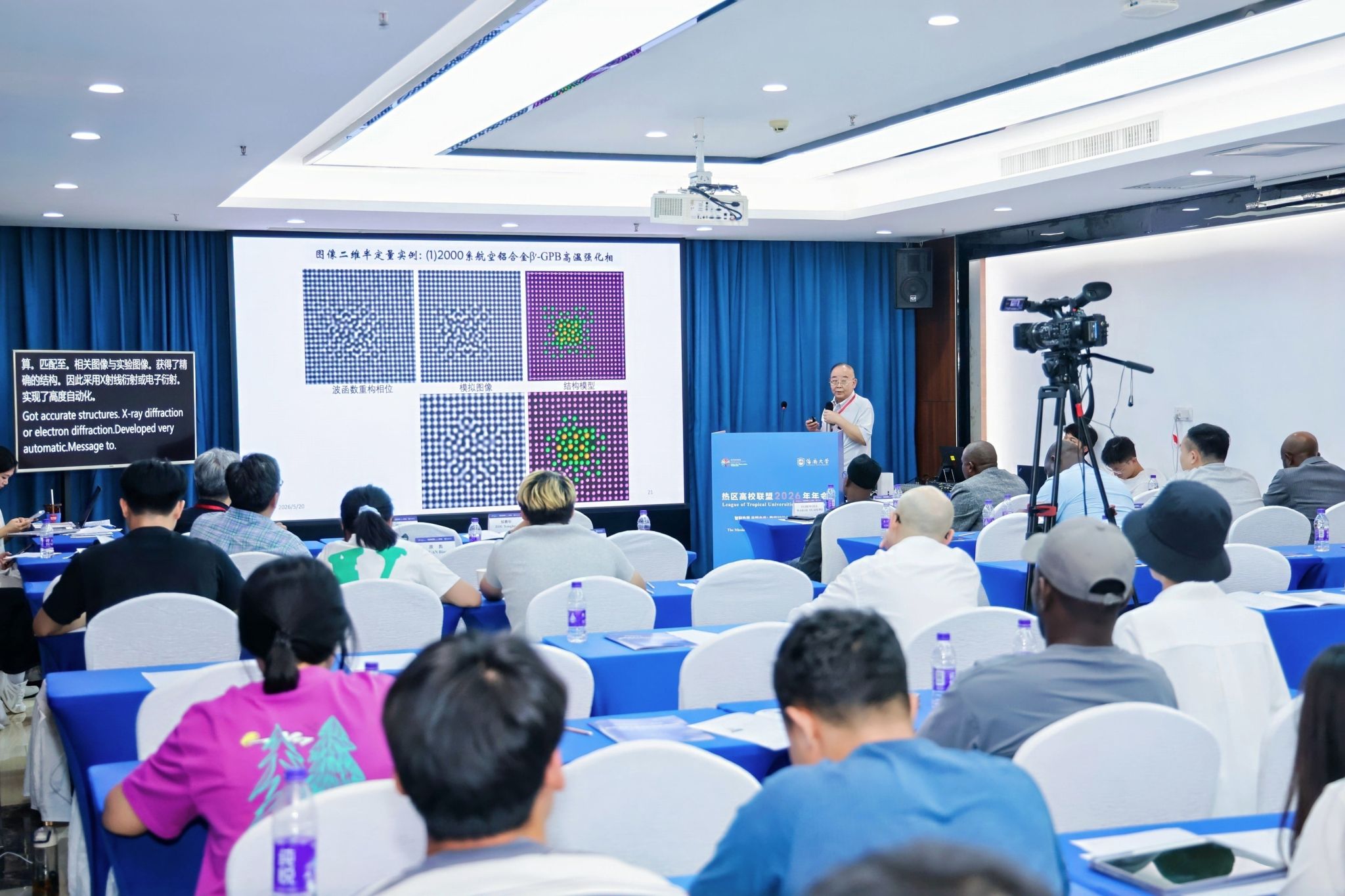
On the afternoon of May 20, the League of Tropical Universities (LTU) 2026 Summit Parallel Sessions convene at HNU International Exchange Center. This is parallel session on “Tropical Marine Engineering Materials and Energy Materials”. (Photo courtesy of the Publicity Department)
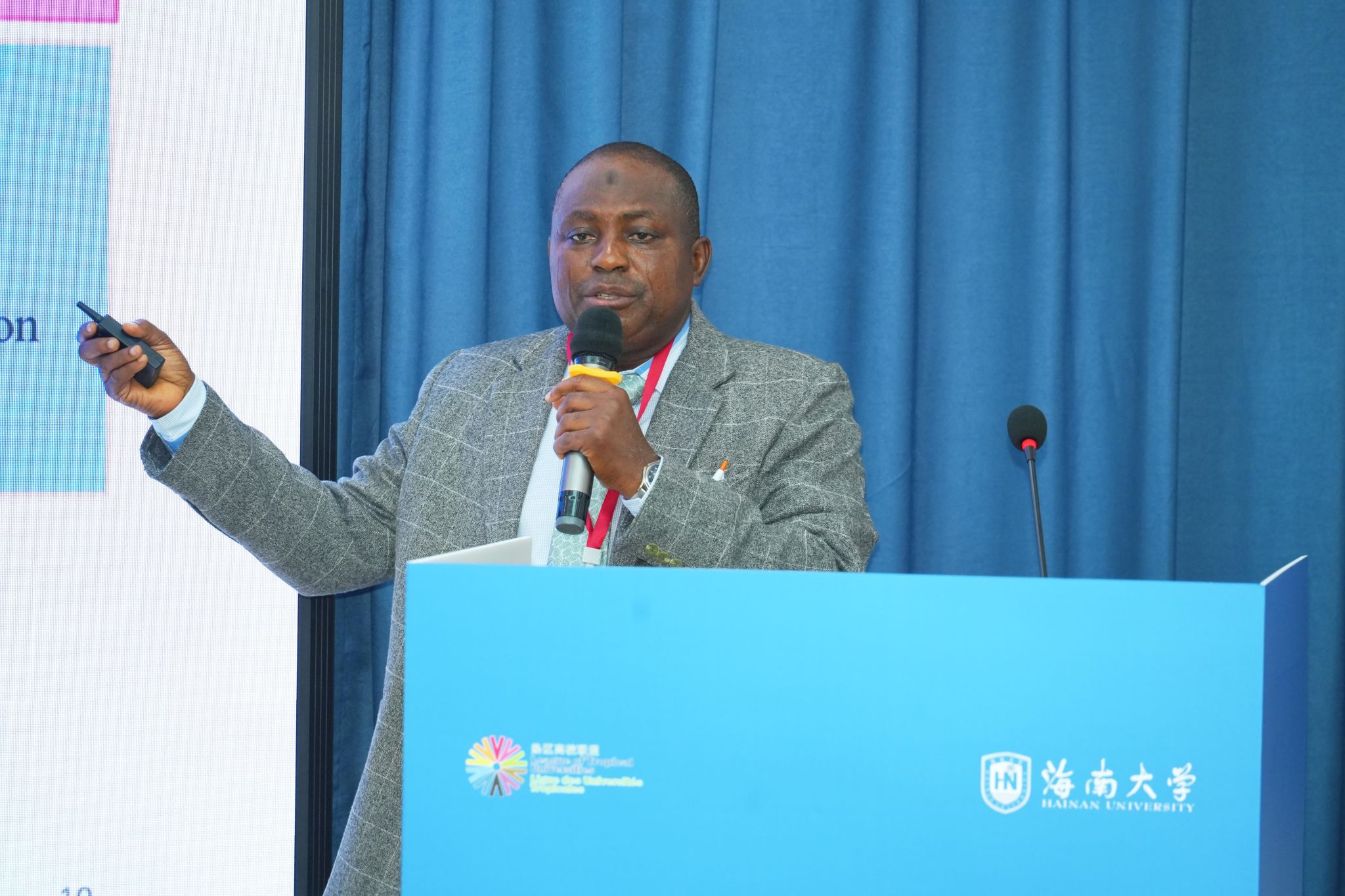
On the afternoon of May 20, the League of Tropical Universities (LTU) 2026 Summit Parallel Sessions convene at HNU International Exchange Center. BABA Abdullahi Alafara delivers a presentation. (Photo courtesy of the Publicity Department)
The parallel session on “Civilizational Dialogue and Tropical Collaboration” focused on exchanges over the integration and coexistence of diverse civilizations in tropical regions, cross-civilization conservation of cultural heritage and innovative cultural communication in universities. It contributed academic insights to deepening mutual learning between civilizations and advancing collaborative innovation across tropical communities.
Liu Chuanming, dean of Li’an Academy, pointed out that the conservation and restoration of Angkor Wat serves as a typical example of mutual learning between civilizations, offering insights for the inheritance and international communication of cultural heritage in tropical regions. Holl Augustin held that people-to-people diplomacy including academic research, cooperation and field research training could effectively boost cultural exchanges between China and Africa. Feng Ying, former director of the National Ballet of China, stated that efforts should be made to integrate the charm of Chinese ballet with the essence of world art amid mutual learning between civilizations.
Nathanael Koty, vice president of World Skate, argued that tropical regions need to build an education system geared toward innovation, technology, professional development and international cooperation. Ebenezer Malcalm, vice-chancellor of Ghana Communication Technology University, proposed a hybrid distance learning solution to address educational inequity in remote tropical areas. Zhao Lin, professor of Communication University of China, noted that acoustic literacy in communication is the bedrock for social harmony, becoming a vibrant cultural calling card for China.
Nahed Hefny, professor of Ain Shams University, Egypt, remarked that the interactions and integration of China-Arab civilizations along the Silk Road embodied openness, inclusiveness, mutual benefit and win-win cooperation, providing historical references for global civilizational dialogue. Niang Khady, lecturer in Archaeology and Prehistory of Cheikh Anta Diop University of Dakar, Senegal, introduced the application of digital archaeology in Africa, which facilitates the collaborative conservation of cultural heritage across tropical regions.
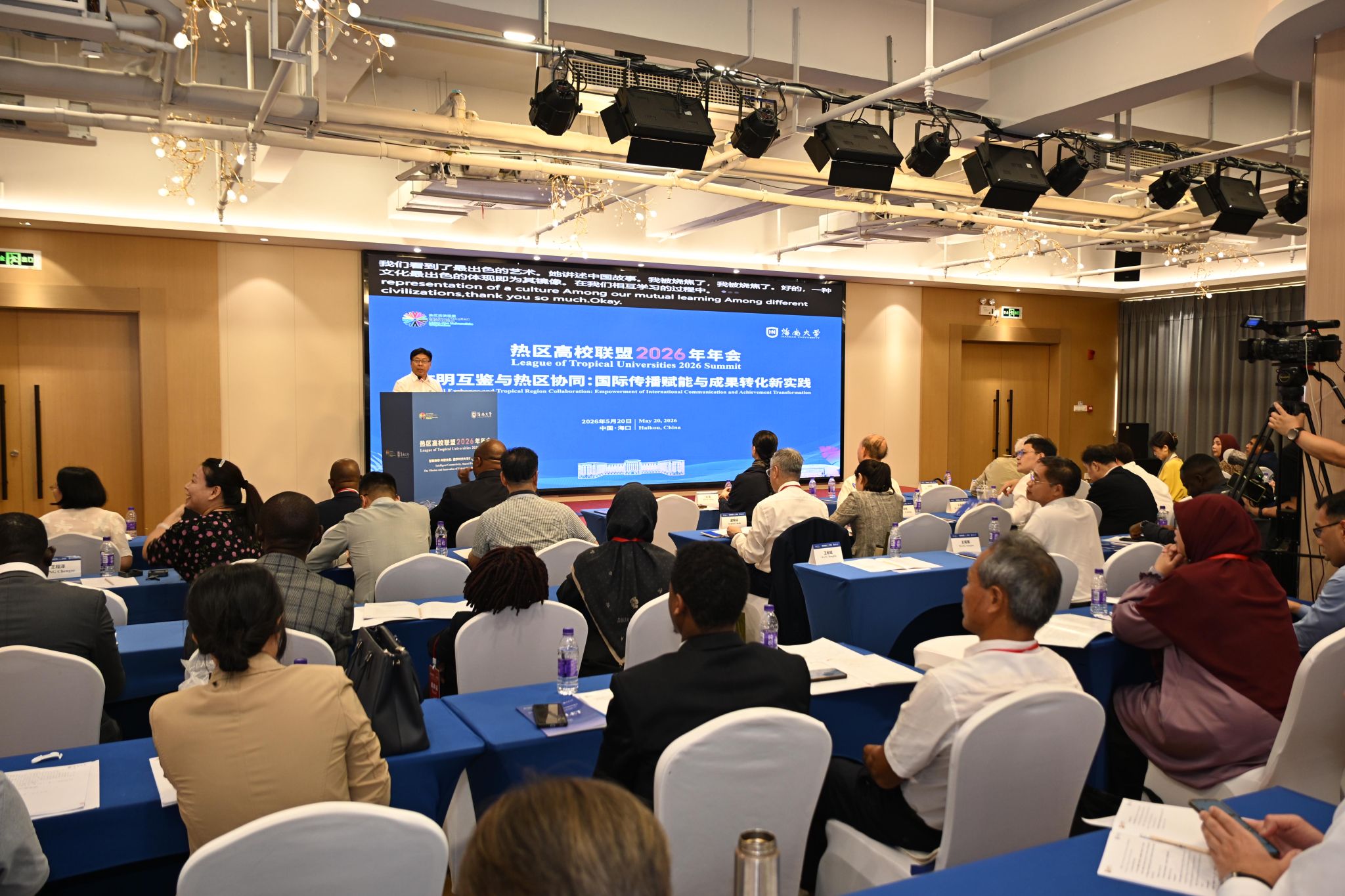
On the afternoon of May 20, the League of Tropical Universities (LTU) 2026 Summit Parallel Sessions convene at HNU International Exchange Center. This is parallel session on “Civilizational Dialogue and Tropical Collaboration”. (Photo courtesy of the Publicity Department)
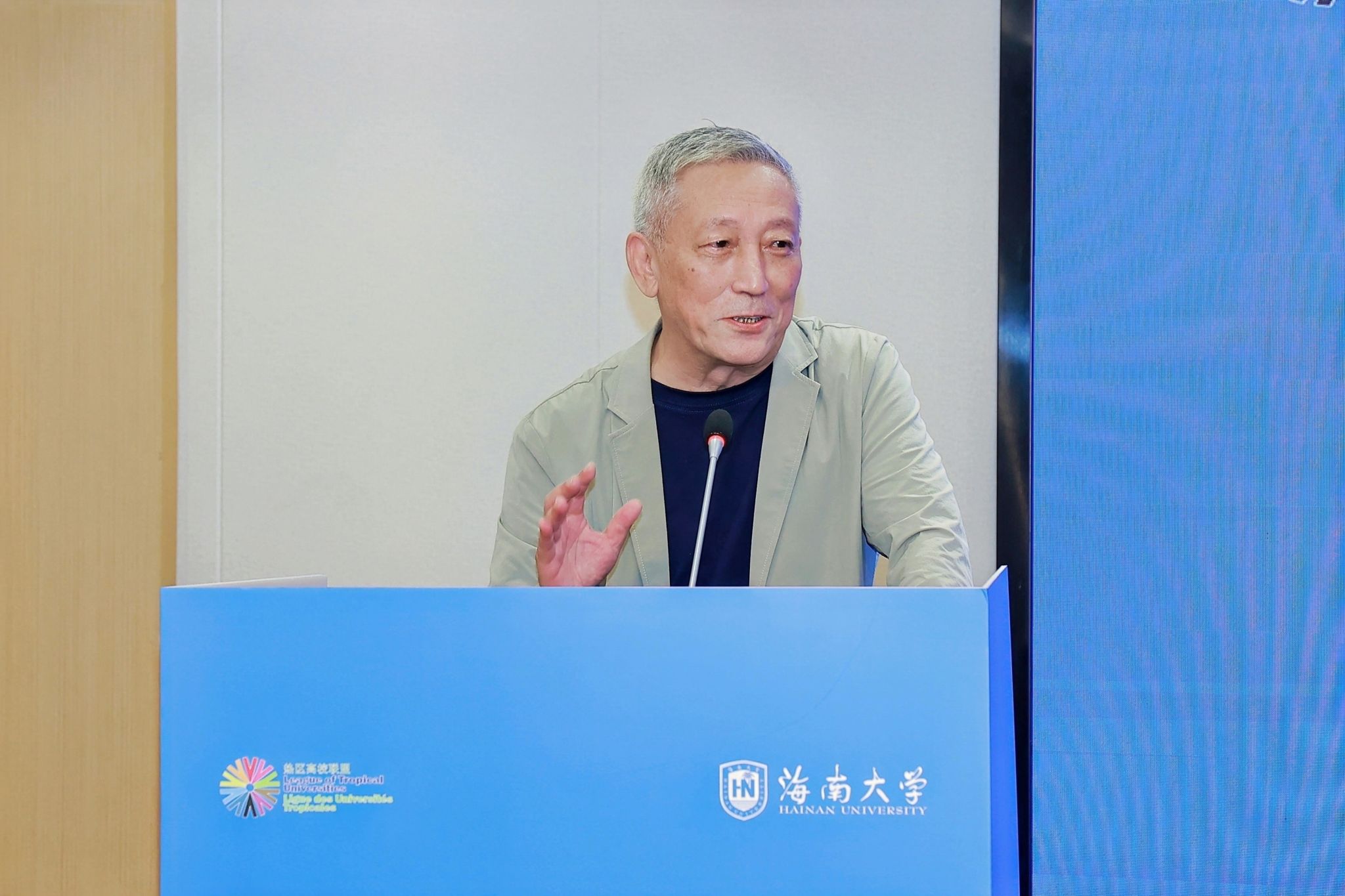
On the afternoon of May 20, the League of Tropical Universities (LTU) 2026 Summit Parallel Sessions convene at HNU International Exchange Center. Liu Chuanming delivers a presentation. (Photo courtesy of the Publicity Department)
LTU was established in November 2023 by HNU in collaboration with seven universities and research institutions across the tropics. The 2026 summit is themed “Intelligent Connectivity, Shared Future: The Mission and Innovation of Universities in the Digital Era”, with these parallel sessions serving as one of the core events.
The parallel sessions were attended by heads of relevant units and departments of HNU, faculty and student representatives, LTU member representatives, together with experts and scholars from universities and research institutions at home and abroad.
Translated by Wu Tong & Lai Sihang
Proofread by Zhang Ying