On the afternoon of March 26, the 18th Luminaries Lecture in Humanities and Social Sciences was held at the Lecture Hall of the Social Sciences Complex of Hainan University. Wu Zhiliang, Deputy Director of the Committee on Culture, Historical Data and Studies of the National Committee of the Chinese People’s Political Consultative Conference (CPPCC) and Chairman of the Administrative Committee of the Macao Foundation, delivered a report entitled “From Macao’s Founding to Hainan’s Voyage: Opportunities for Free Ports in Historical Perspective and Vision for Hainan-Macao Cooperation”. Fu Zhiguan, Member of the Standing Committee of the 14th CPPCC National Committee and Vice Chairman of the Central Committee of the Taiwan Democratic Self-Government League, Li Xingliang, Vice Chairman of Hainan Federation of Social Sciences and Vice President of Hainan Academy of Social Sciences, Zhang Jiyou, Vice Chairman of the HNU Council and other university leaders attended the lecture. The lecture was chaired by Zhang Jiyou.
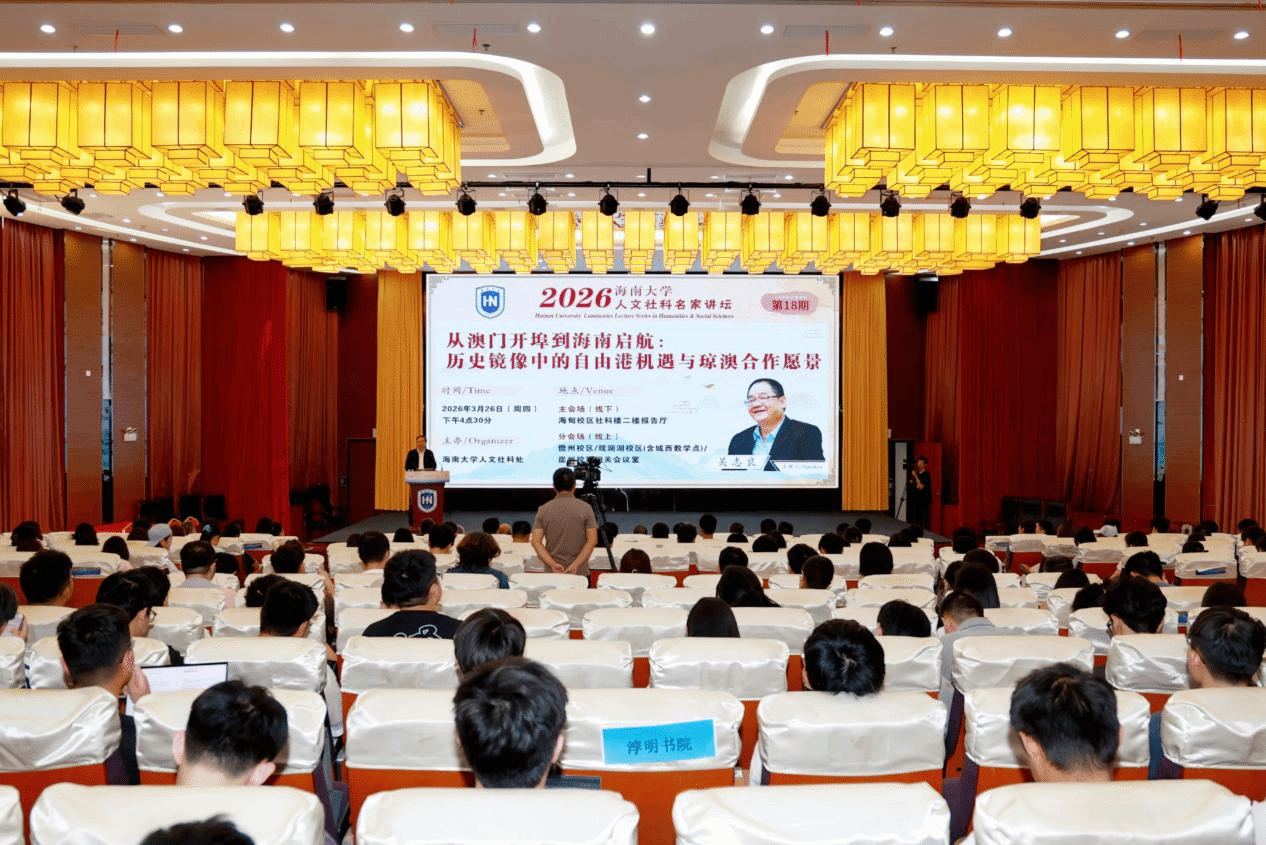
On the afternoon of March 26, the 18th Luminaries Lecture in Humanities & Social Sciences is held in the lecture hall of the Social Sciences Complex. Photo by Gao Kehe.
In the first part of the lecture, Wu Zhiliang reviewed history and systematically sorted out the development of Macao over the past 500 years since its founding in the mid-16th century, deeply analyzing its unique status as an important node in the early days of globalization. Wu pointed out that the founding of Macao was obviously passive and accidental. Driven by maritime prohibition, fiscal needs and coastal defense concerns, the governments of the Ming and Qing dynasties adopted a unique governance model whereby Portuguese resided under Ming jurisdiction. This was an early form of coexistence and separate governance of Chinese and foreign nationals. Against the background of closed-door policies in modern China, this special arrangement made Macao an important trade hub connecting China with Japan, Europe and the Americas, fostering a pattern of coexistence in which each culture flourished in its own way and together in harmony. Wu emphasized that Macao’s low-tariff policy and historical experience of multicultural coexistence show that the lasting prosperity of a free port lies not in its size, but in the flexibility of its institutions, the deep inclusiveness of its culture, and the ability to build trust and connections in the global network.
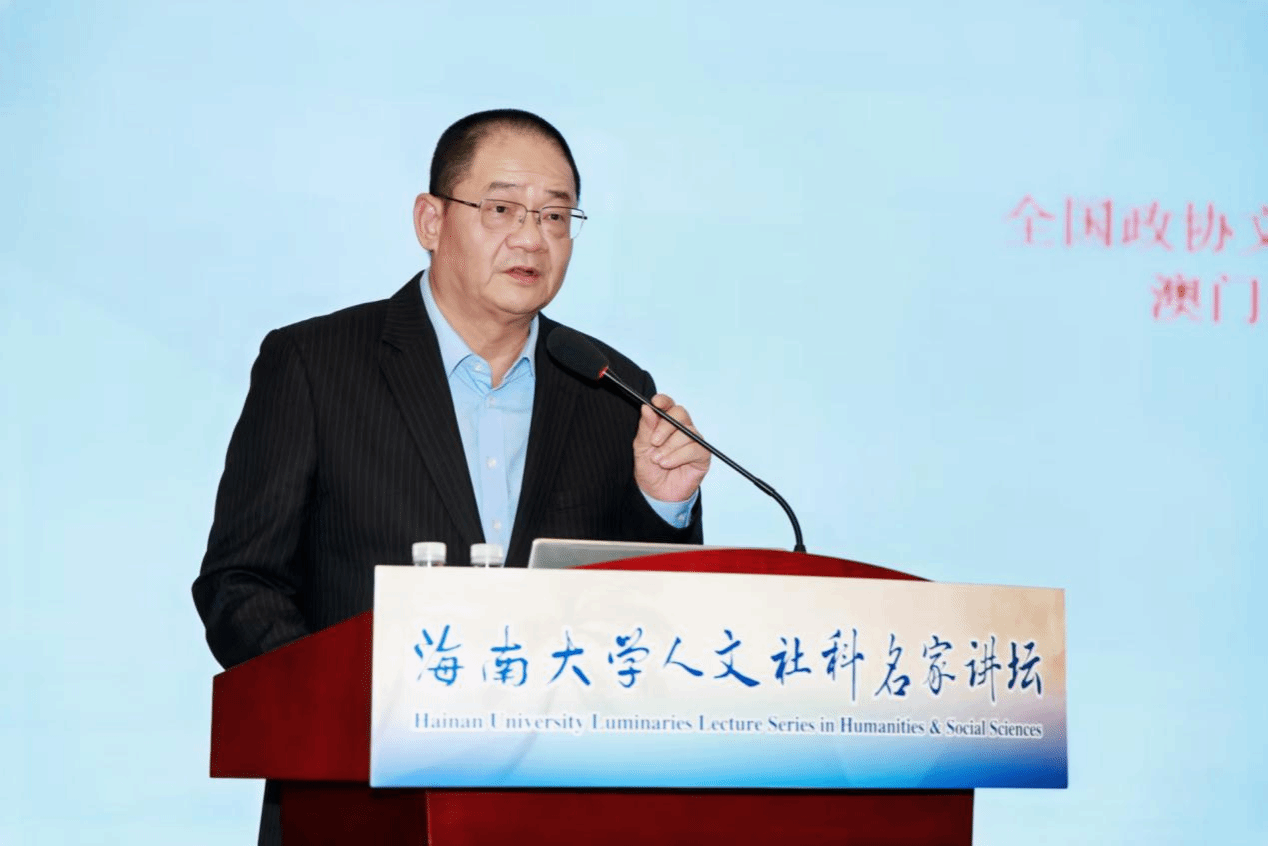
Wu Zhiliang delivers a report. Photo by Gao Kehe.
The second part of the lecture focused on “Practical Opportunities: Paths for Hainan-Macao Cooperation”. Hainan has launched special customs operations, and policies such as value-added tax exemption have achieved initial results. Wu noted that Hainan has vast land and solid national strategic support, and must strive to build a diversified and sustainable modern industrial system. He pointed out that cooperation between Hainan and Macao enjoys broad prospects. The two sides may promote tourism and cultural linkage to jointly explore the international tourist market, and build Macao-led, Hainan-participating platform between China and Portuguese-speaking countries, supporting Hainan’s trade expansion. They may also expand medical and health cooperation, promote international medical tourism and cultivate international medical management professionals. In addition, efforts can be made to promote cooperation between exhibition organizations of the two regions, build professional exhibitions for Portuguese-speaking and ASEAN countries, advance joint talent training for the Free Trade Port, and strengthen coordination to explore a more efficient and open free port policy system.
The lecture was warmly received and fully attended. Teachers and students actively raised questions on topics such as university cooperation between Hainan and Macao and Macao’s multicultural coexistence, to which Wu Zhiliang answered with patience and insight.
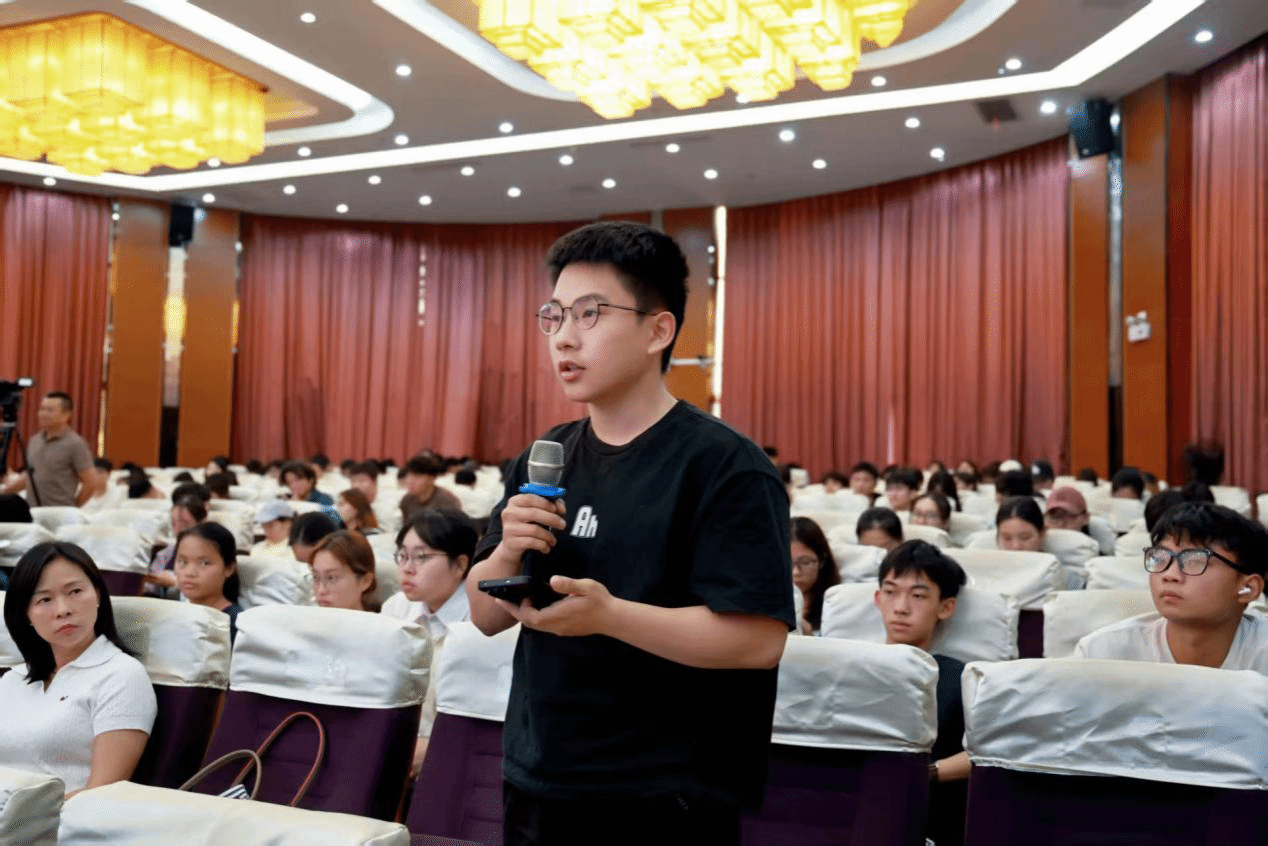
Teacher and student representatives ask questions. Photo by Feng Mengfan.
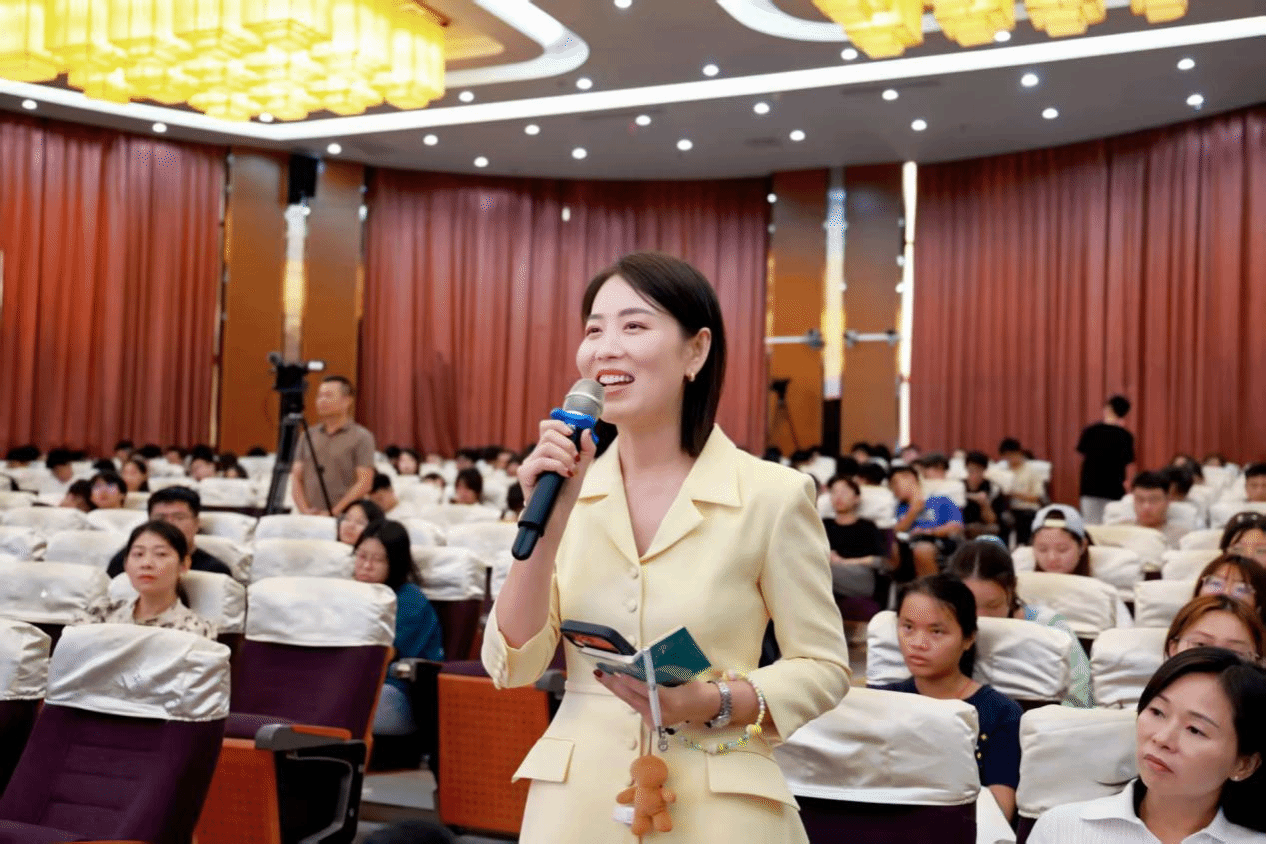
On the afternoon of March 26, the 18th Lecture Series of Distinguished Experts in Humanities and Social Sciences was held in the lecture hall on the second floor of the Social Sciences Building. Teacher and student representatives asked questions. Photographed by Feng Mengfan.
Responsible persons of relevant departments of Hainan University, as well as teacher and student representatives from Haidian Campus, Danzhou Campus, Mission Hills Campus (including Chengxi Teaching Site) and Yazhou Campus attended the forum both online and offline.
Translated by Shi Buyue
Proofread by Zhao Yanchun