On the morning of January 20, the unveiling ceremony of the Hainan Provincial Innovation Center for Brain Spatial Informatics and Brain–Computer Interface Technologies was held at the School of Biomedical Engineering of HNU.
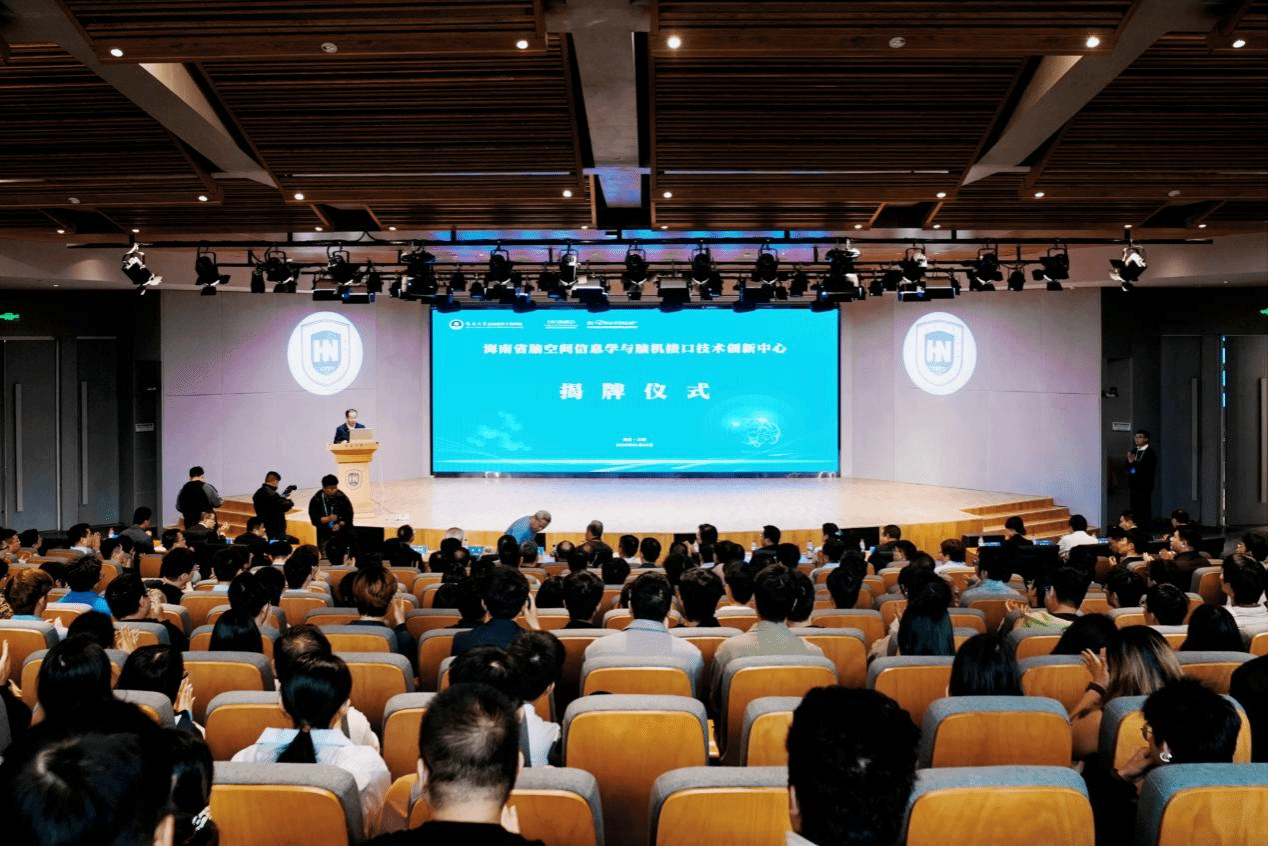
Hainan Provincial Innovation Center for Brain Spatial Informatics and Brain–Computer Interface Technologies is inaugurated at HNU on January 20.
Distinguished attendees included Xie Jing, Vice Governor of Hainan Province; CAS (Chinese Academy of Sciences) Members Ye Zhaohui, Duan Shumin, and Zhang Xu; Luo Qingming, CAS Member, HNU President and Director of the Center; Li Wenxiu, Director of the Hainan Provincial Health Commission; Li Yufeng, Chief Inspector of Education of the Hainan Provincial People’s Government; Xu Jiang, Deputy Director of the Hainan Provincial Department of Science and Technology; Yin Chengling, Vice Mayor of Sanya; and Chen Junjie, Deputy Director of the Hainan Provincial Medical Products Administration. They were joined by representatives from relevant provincial departments, the medical community and business sector, and HNU faculty and students.
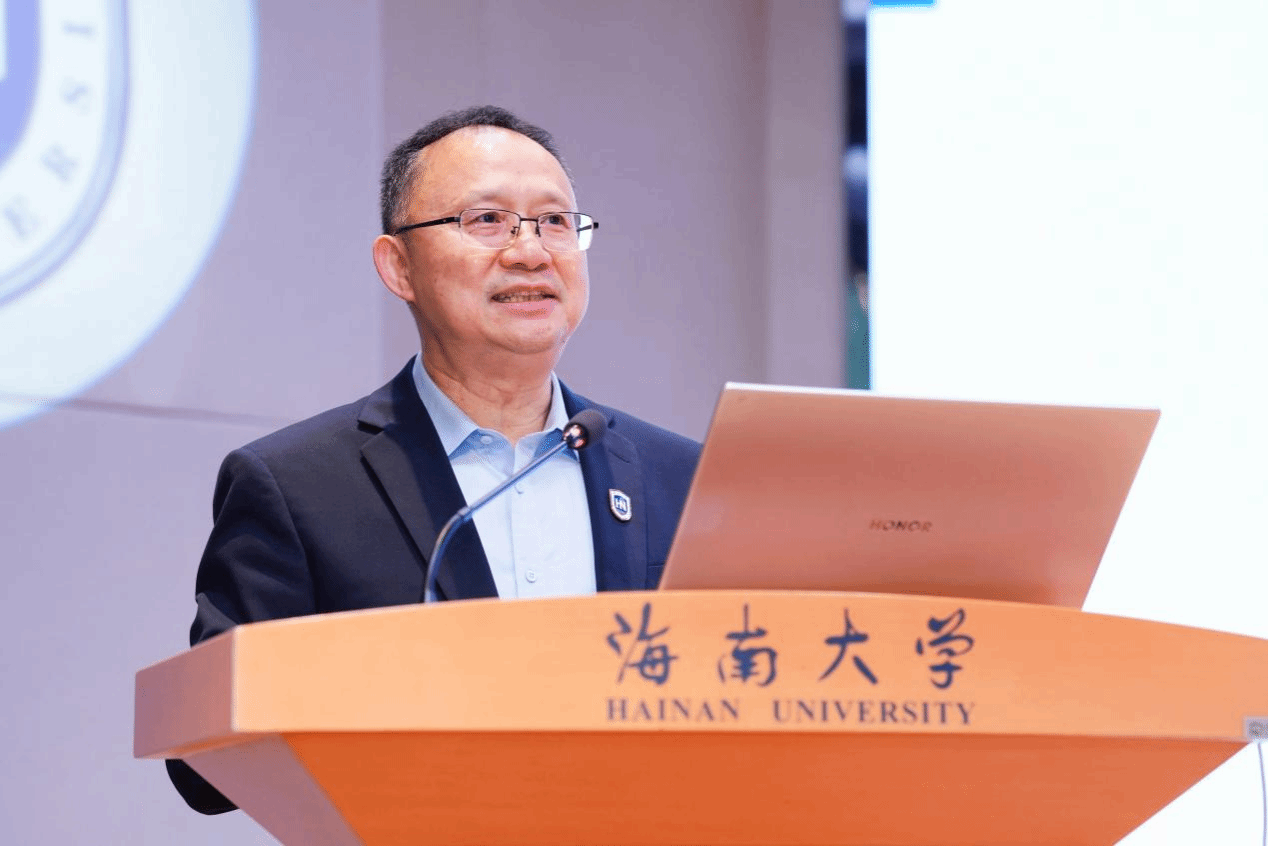
Luo Qingming introduces the development plan of the Center.
Luo Qingming introduced the background, strategic guidelines, overall planning, and team composition of the Center. He noted that brain–computer interface (BCI) technology has been designated as a national strategic priority, and the Center’s establishment was facilitated by the Hainan Provincial Department of Science and Technology and relevant authorities. As the host institution, HNU will spearhead the Center’s development and operations, guided by the core principles of seeking innovation-led and demand-driven growth, securing independent and controllable technologies while fostering open collaboration, and promoting the integration across industry, academia, research, and clinical practice. It is organized into four key platforms: fundamental theoretical breakthroughs, clinical application, industrial innovation, and technology management and translation. Focusing on bottleneck and frontier domains, including brain spatial informatics, BCI-specific chips, and neural electrodes, the Center brings together multidisciplinary teams and partners with specialized brain hospitals and technology enterprises to advance BCI research and applications.

Unveiling Ceremony of the Center
Xie Jing, Luo Qingming, Li Wenxiu, Li Yufeng, Xu Jiang, and Yin Chengling jointly unveiled the plaque of the Center.
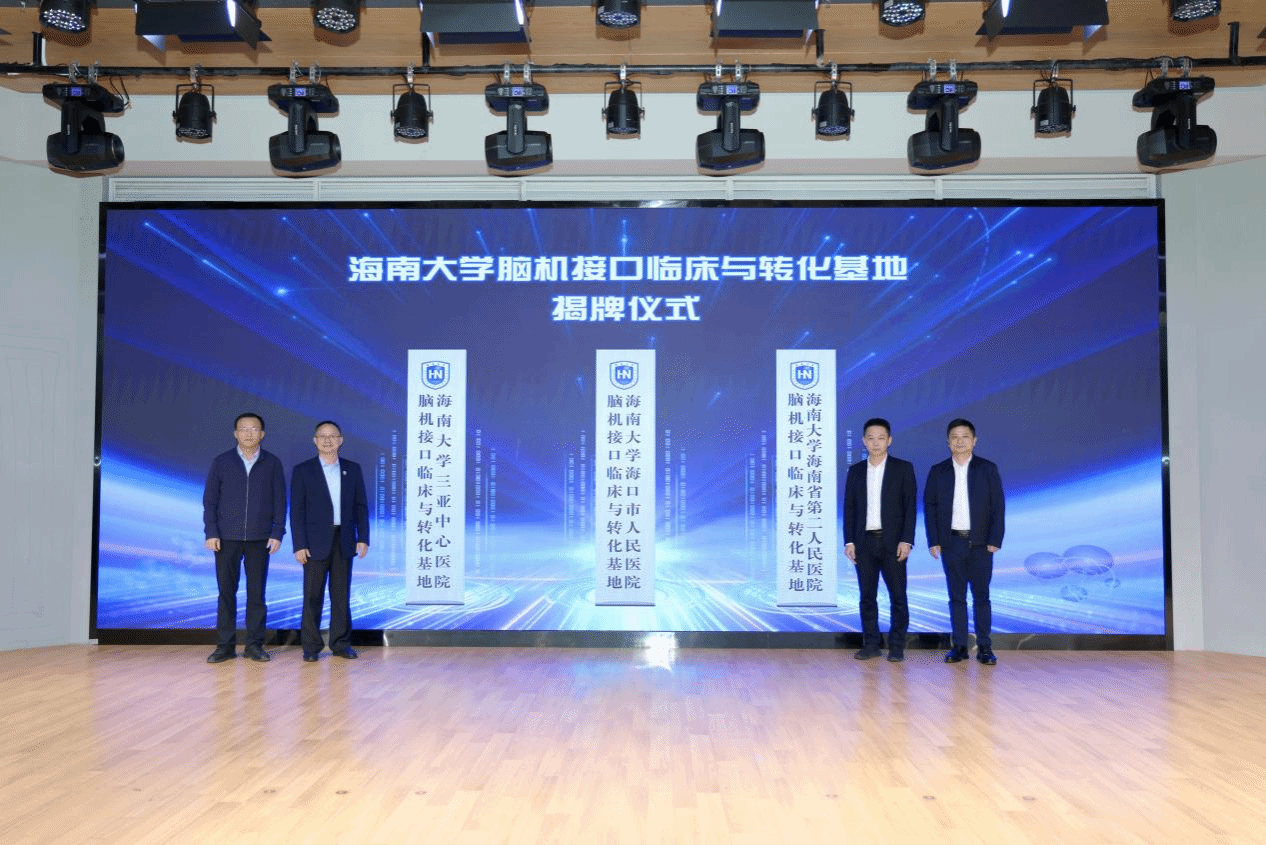
Unveiling Ceremony of the HNU Brain–Computer Interface Clinical and Translational Base
HNU, in partnership with Haikou People’s Hospital, Sanya Central Hospital, and Hainan Second People’s Hospital, established the BCI Clinical and Translational Base. Luo Qingming and representatives of the three hospitals jointly unveiled its plaque.
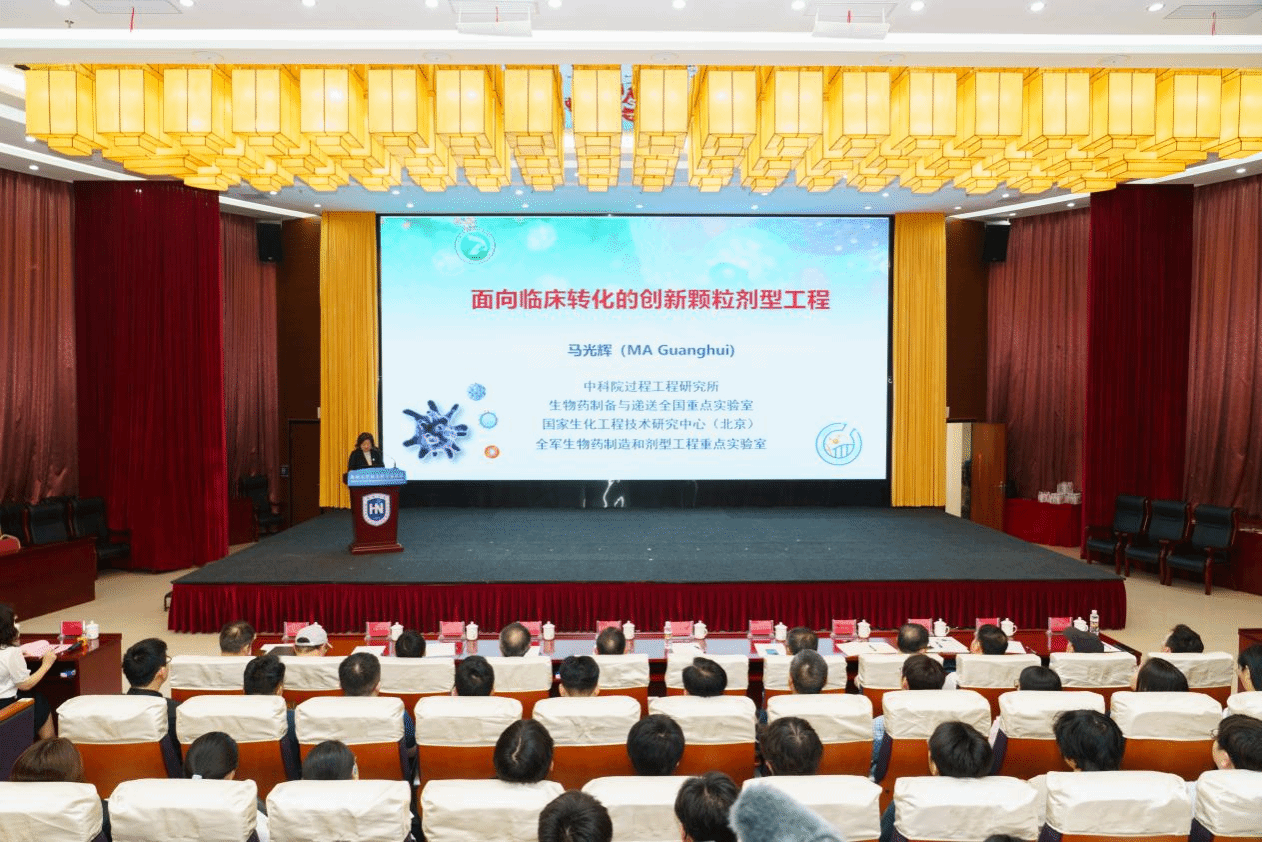
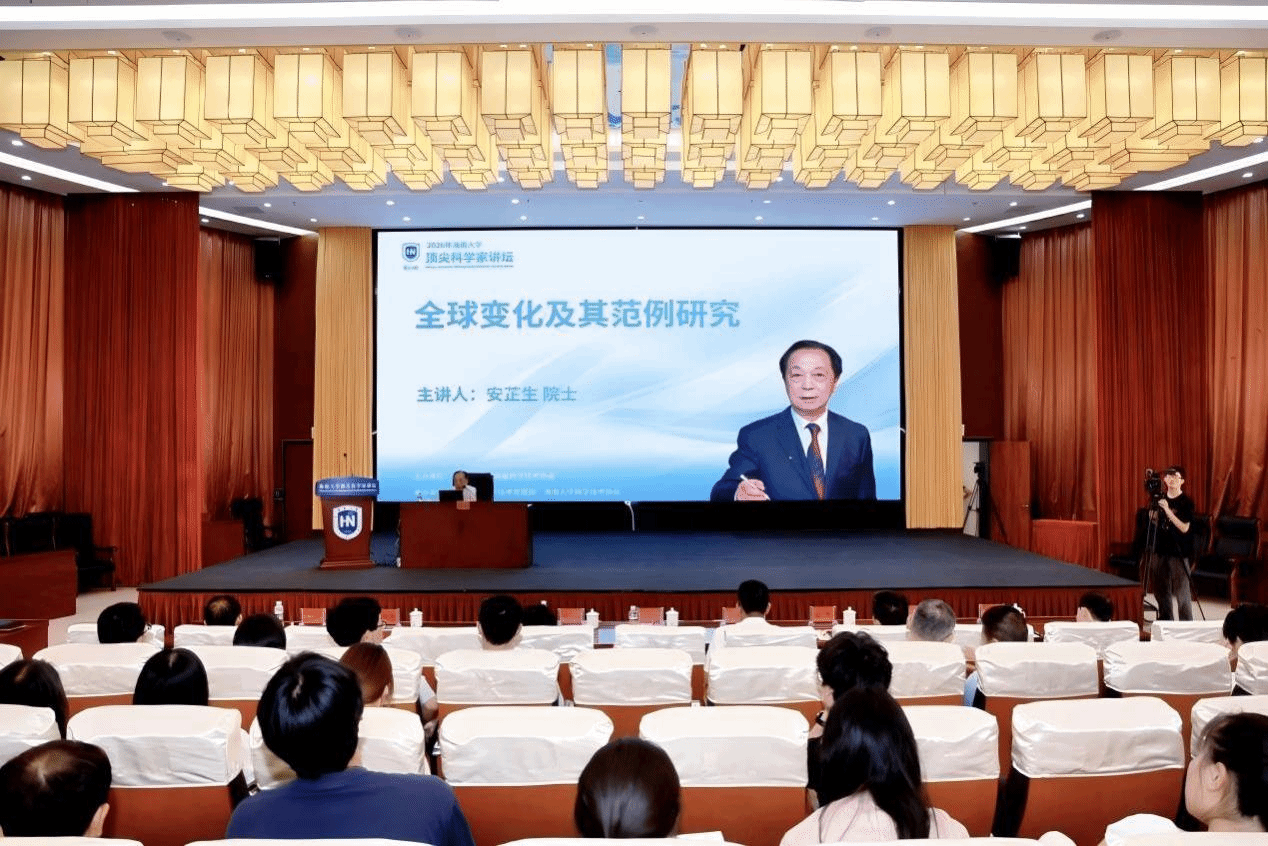
Following the unveiling ceremony, four academic forums were held. The participating CAS members and experts held in-depth discussions on a range of topics including human intelligence versus brain-inspired intelligence, brain atlas mapping, the mechanisms of brain function, and key BCI technologies and their industrialization pathways.
The Center leverages HNU’s robust expertise in brain spatial informatics and BCI, supported by the university’s related research teams. Over the years, the brain spatial informatics team has achieved significant breakthroughs in whole-brain imaging technology and brain atlas construction; the BCI neural engineering team has developed several BCI-specific chips, including the high-throughput, low-power acquisition and stimulation chip and the high-degree-of-freedom neural stimulation chip. These chips have delivered performance comparable to world-class standards, providing a viable domestic alternative; the flexible electronics team has advanced the development of micro-and nano-fabrication and testing platforms for neural electrodes; the non-human primate and translational biomedical research team has established a technical system for developing primate models of neurological diseases, providing support for preclinical safety and efficacy evaluation in both basic and translational brain science and BCI-related studies.
Translated by Huang Yuwen
Proofread by Kuang Xiaowen